
The Great Fifty Days: Understanding the Easter Season
Easter is not one day but a season of fifty, running from the resurrection to Pentecost. Where the season comes from, how the early church kept it, and how to keep celebrating.

Easter is not one day but a season of fifty, running from the resurrection to Pentecost. Where the season comes from, how the early church kept it, and how to keep celebrating.
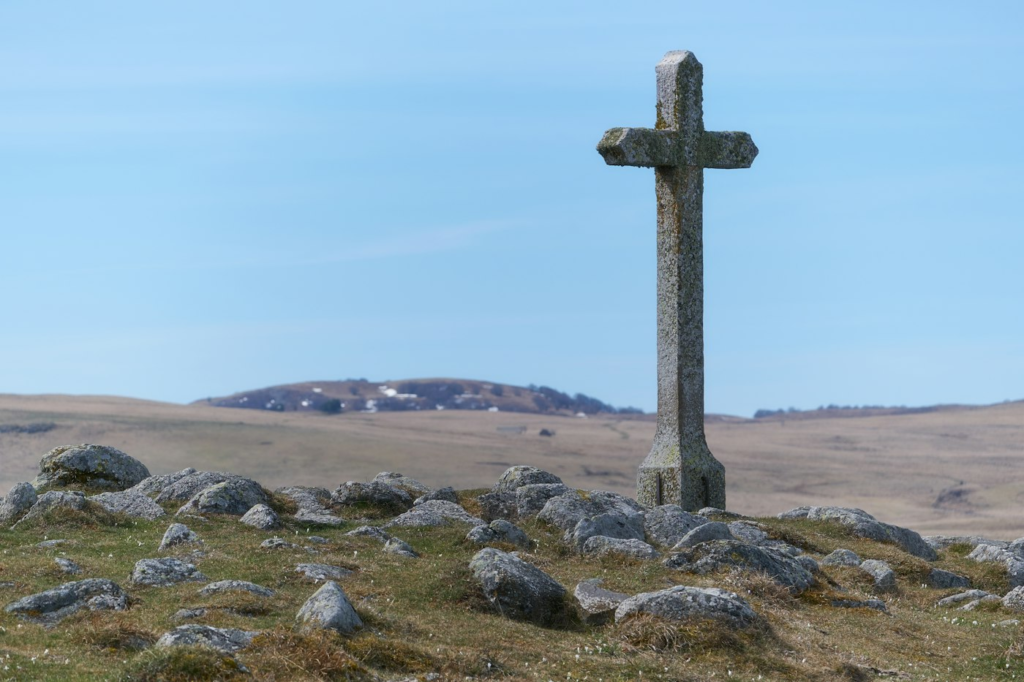
Paul told the Corinthians that if the resurrection did not happen, Christian faith is empty. What the great resurrection chapter claims, why it matters, and how it changes an ordinary week.
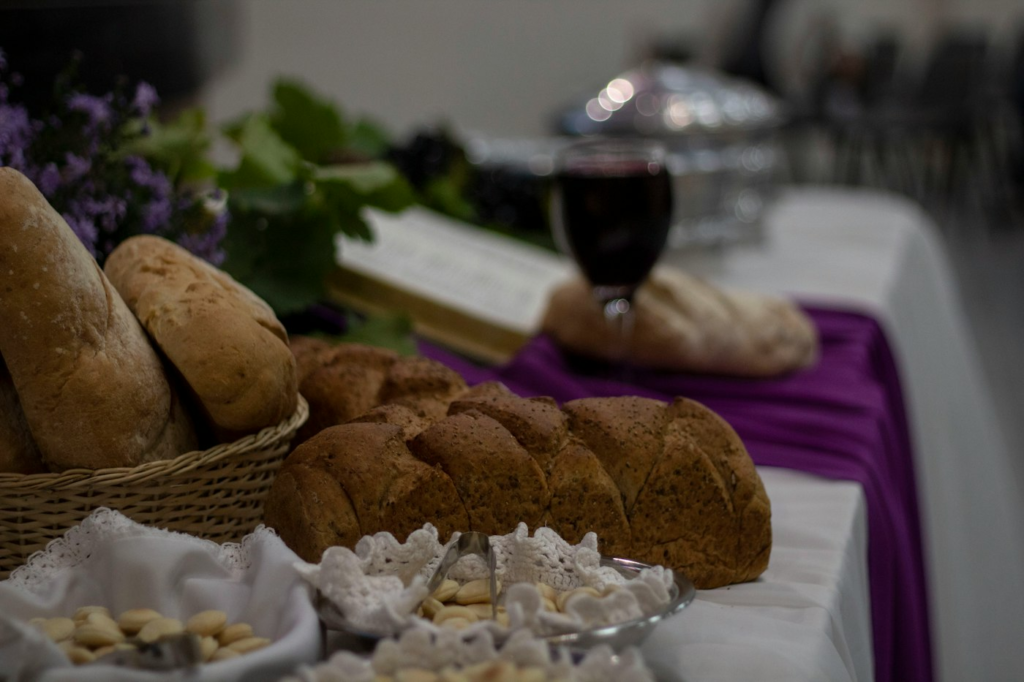
Two discouraged disciples walked seven miles with a stranger who explained the Scriptures to them, and only knew Him when He broke the bread. What Luke 24 says about seeing Christ.

In the garden on Easter morning, a grieving woman mistakes the risen Lord for a gardener until He says her name. A slow reading of John 20:11-18.

The first people to learn that Jesus had risen were the women who had stayed through the cross and the burial. Who they were, what they saw, and why their witness matters.

Easter can fall anywhere from late March to late April. The moon, the equinox, an ancient council and two calendars all play a part. A plain explanation of a famously confusing rule.

The Saturday of Holy Week is the Bible's silent day: the body in the tomb, the disciples in hiding, the women waiting. Why that silence matters and how to keep the day well.