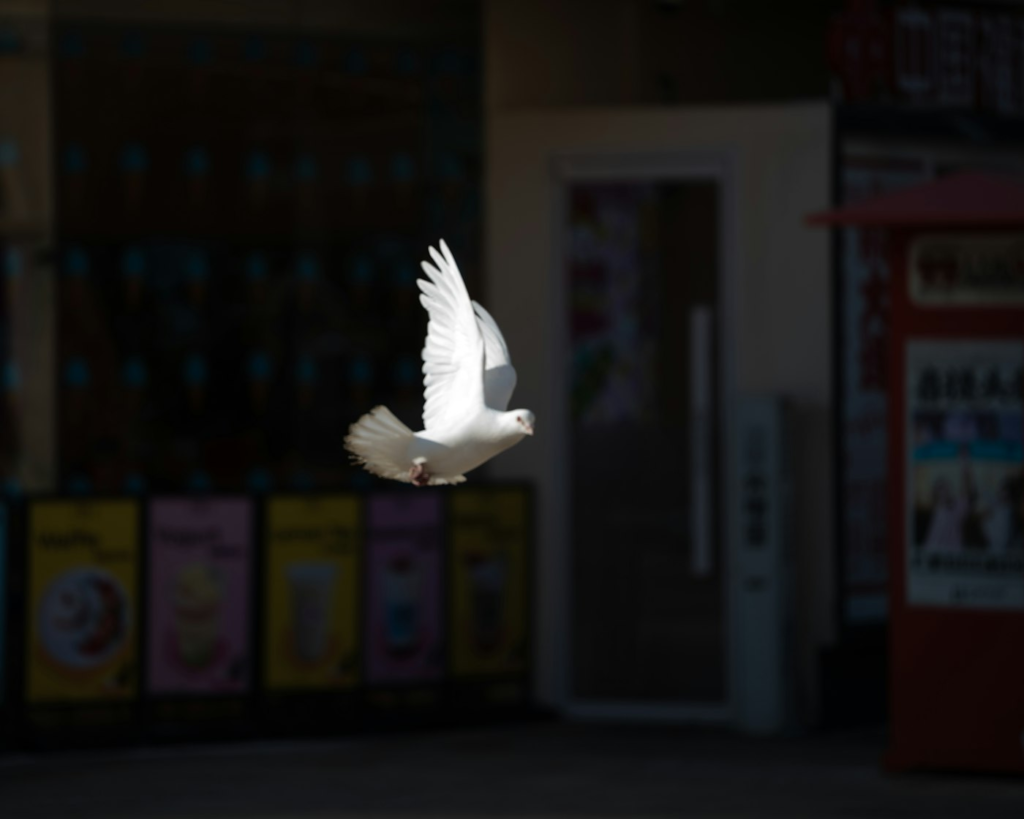
Wind, Fire and a Dove: The Signs and Traditions of Pentecost
Rushing wind, tongues of fire and the gentle dove all point to the Holy Spirit. What these biblical signs mean and how they shaped Pentecost traditions like red banners and Whitsunday.

Rushing wind, tongues of fire and the gentle dove all point to the Holy Spirit. What these biblical signs mean and how they shaped Pentecost traditions like red banners and Whitsunday.
Weeks after denying Jesus, Peter stood before a Jerusalem crowd and preached with boldness. A walk through his Pentecost sermon in Acts 2 and what changed him.

At Babel, human pride ended in confusion and scattering. At Pentecost, the Spirit gathered people of many languages to hear one message. How the two stories speak to each other.
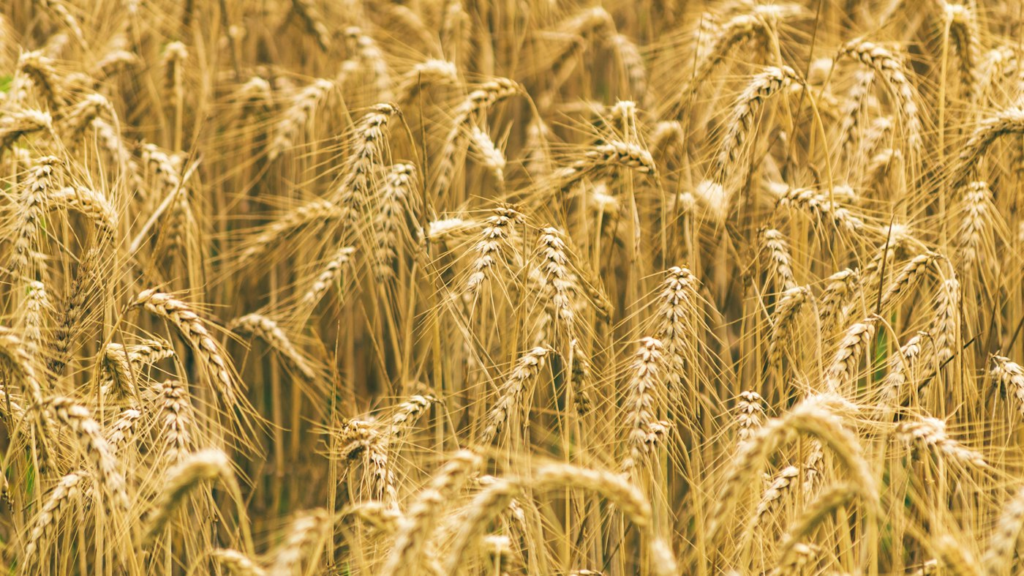
Pentecost began as Israel's harvest Feast of Weeks and became the day the Holy Spirit was poured out on the church. The background, the events of Acts 2 and why the day still matters.
Elijah was taken up, and his spirit rested on Elisha. That Old Testament scene helps explain why the ascension of Jesus was followed by the outpouring of the Holy Spirit.

Between the ascension and Pentecost, about 120 believers waited and prayed in Jerusalem. What they did in those days offers a pattern for any season of waiting on God.
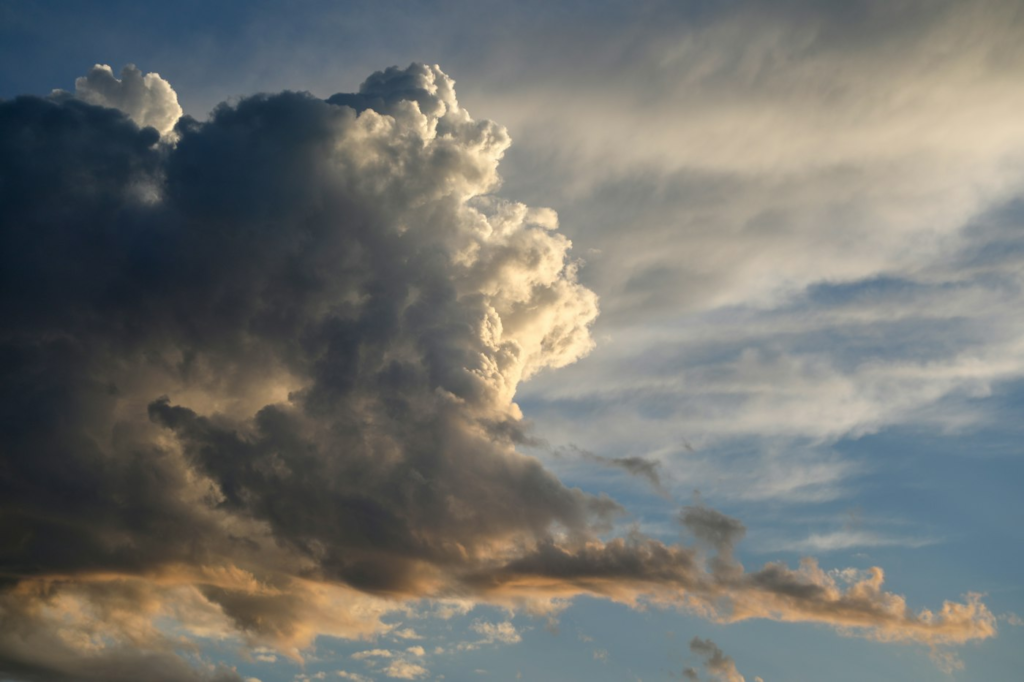
Forty days after Easter, many Christians remember the ascension of Jesus. What happened, why the day falls on a Thursday, and why the ascension still matters for everyday faith.

Final exams, graduations and tired classrooms make May a demanding month. A simple, Scripture-shaped guide to praying for teachers, students and school staff as the year ends.
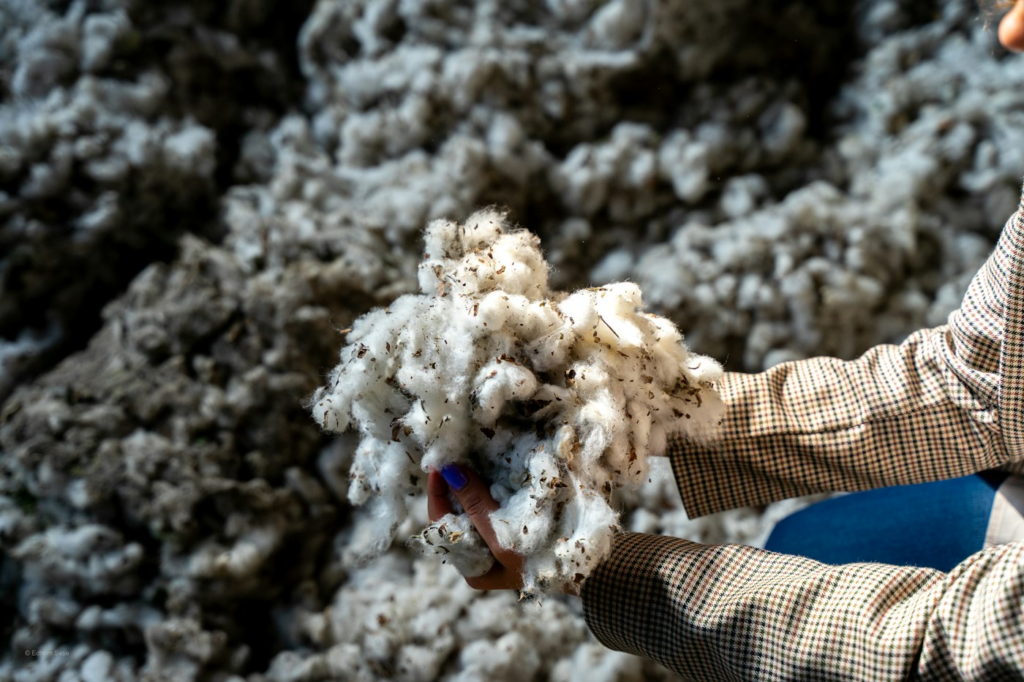
Proverbs 31 is often read as an impossible to-do list. Read as the Hebrew poem it is, the passage becomes a celebration of strength, wisdom and the fear of the Lord.
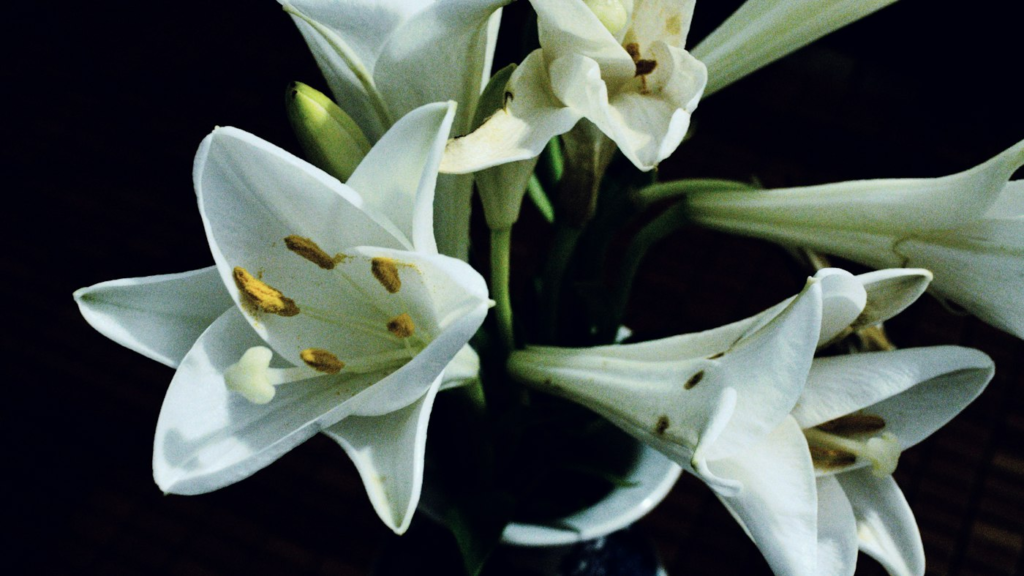
From the angel's visit to the upper room before Pentecost, Mary's story is marked by surrender, praise, pondering and perseverance. A May reflection on the mother of Jesus.